

Early Child Development
The AAQ Pearson BTEC National Extended Certificate in Early Childhood Development aims to provide you with applied knowledge and skills in Education and Early Years and allows you to engage in a broad investigation of the children’s care and education sector (0-8 years).
The qualification is equivalent in size to one A Level, and you will take this qualification alongside other A Levels and/or AAQs.
This qualification requires you to explore some difficult topics, so it is important to ensure you are comfortable learning about the following: Child protection and welfare; Safeguarding; Child abuse - physical abuse and injury, neglect, emotional abuse, sexual abuse and domestic abuse.
Entry Requirements
The general Thornleigh Sixth Form entry criteria will be applied.
What will I Study?
There are four mandatory units which are:
• Unit 1: Children’s Development
• Unit 2: Keeping Children Safe
• Unit 3: Play and Learning
• Unit 4: Research and Reflective Practice in an Early Childhood Setting
Which exam board is used and how will I be assessed?
The exam board is Pearson.
• Unit 1: Children’s Development - This Unit is externally assessed. You will sit a 1 hour and 45 minute exam, with a total of 80 marks available.
• Unit 2: Keeping Children Safe - This Unit is externally assessed. You will sit a 1 hour and 45 minute exam, with a total of 80 marks available.
• Unit 3: Play and Learning - This Unit is internally assessed. You will be given a Pearson Set Assignment Brief containing three tasks. For each task, a set of assessment criteria is given, covering pass, merit and distinction.
• Unit 4: Research and Reflective Practice in an Early Childhood Setting - This Unit is internally assessed. You will be given a Pearson Set Assignment Brief containing three tasks. For each task, a set of assessment criteria is given, covering pass, merit and distinction.
Each Unit is weighted at 25% of the final grade awarded.
Where could this subject take me?
Early Years Practitioner:
Role: Work directly with children, providing care, learning support, and helping with developmental milestones.
Settings: Nurseries, preschools, childminding, and early years classrooms.
Key Responsibilities: Safeguarding children, planning and implementing activities, supporting children's learning, and maintaining records.
Family Support Worker:
Role: Support families and children who may face challenges in accessing early childhood services.
Settings: Local government, family support services, and community organizations.
Key Responsibilities: Helping families with accessing services, providing parenting support, and advocating for children's needs.
Early Years Educator:
Role: Deliver early years education, focusing on supporting the development of children in their early years (usually within a preschool or nursery setting).
Settings: Preschools, nurseries, early years centers.
Key Responsibilities: Planning and delivering educational activities, tracking children's progress, and creating a safe and enriching environment for learning.
Nursery Manager / Early Years Manager:
Role: Oversee the running of a nursery or early years setting, including staffing, curriculum development, and ensuring compliance with regulations.
Settings: Nursery schools, daycare centers, private early years settings.
Key Responsibilities: Managing staff, creating educational plans, maintaining health and safety standards, and liaising with parents.
How can I get ahead in this subject
Understand Legislation and Policies:
Be familiar with the key policies, laws, and guidelines in early childhood education, such as:
Safeguarding Children and Vulnerable Adults (e.g., The Children Act 1989/2004 in the UK).
Equality Act 2010 (to understand inclusive practices).
EYFS Framework (if in the UK) or equivalent early years frameworks in other countries.
Resources You Can Use:
Books: Look for specific books recommended by your course provider or official curriculum guides.
Websites: Sites like the National Day Nurseries Association (NDNA) or Pre-School Learning Alliance (PSLA) are great for up-to-date practices and resources.
Videos/Online Learning Platforms: Websites like FutureLearn or YouTube channels focused on early childhood education.
Related Courses
Discover complementary subjects that enhance your learning, broaden your skills, and open up exciting future study and career opportunities.
Chemistry
A Level
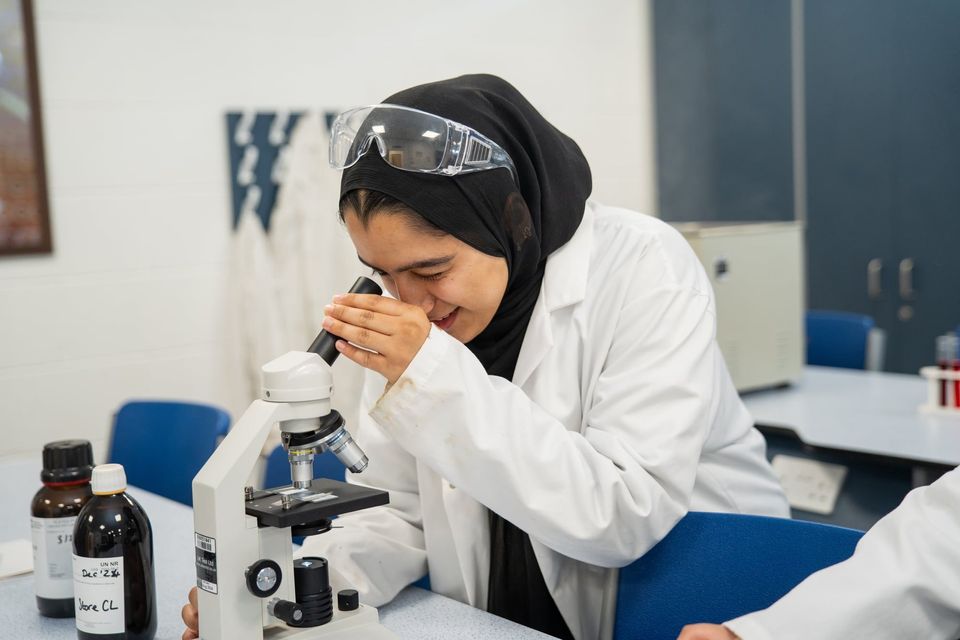
The A Level course in Chemistry builds upon the ideas that have been learnt and understood at GCSE. The course aims to stimulate interest in and enjoyment of chemistry, to foster imaginative, logical

Music Performance
BTEC
This course is perfect for students who enjoy playing music! It is an extremely practical course where you will be expected to be confident performing in-front of and working along side other

Test Course
A Level
Lorem Et netus et malesuada fames ac turpis egestas. Duis tristique sollicitudin nibh sit amet. Et netus et malesuada fames ac turpis egestas. Duis tristique sollicitudin nibh sit amet. Condimentum
Business
A Level
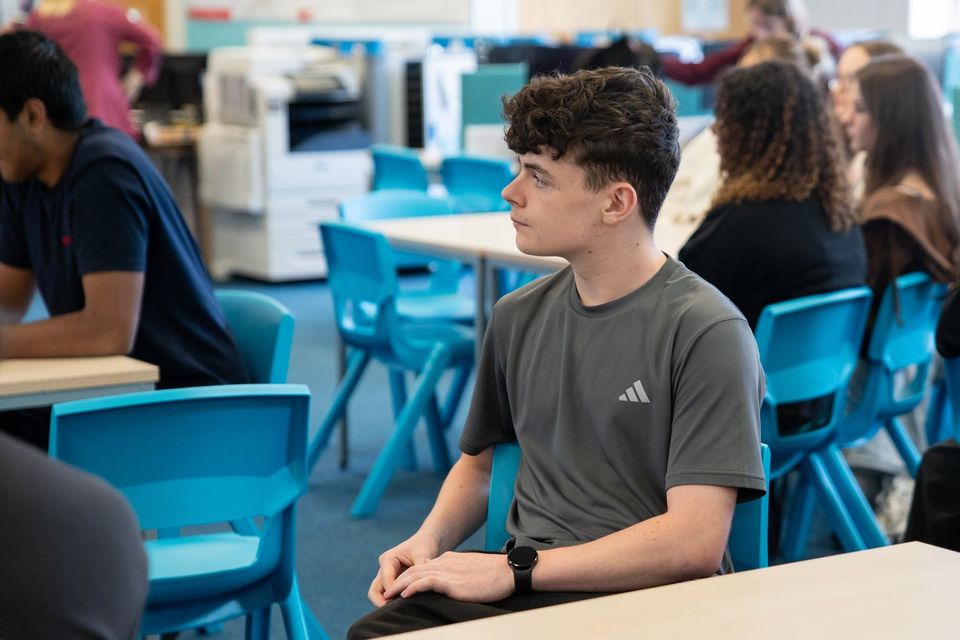
The Edexcel A Level Business curriculum is designed to provide students with a comprehensive understanding of the key concepts, theories, and practices in the field of business. This two-year course

Photography
A Level
In A Level Photography you will explore photographic techniques, processes, and concepts, both digital and analogue. You'll develop practical skills, critical analysis, and a personal style through
Biology
A Level
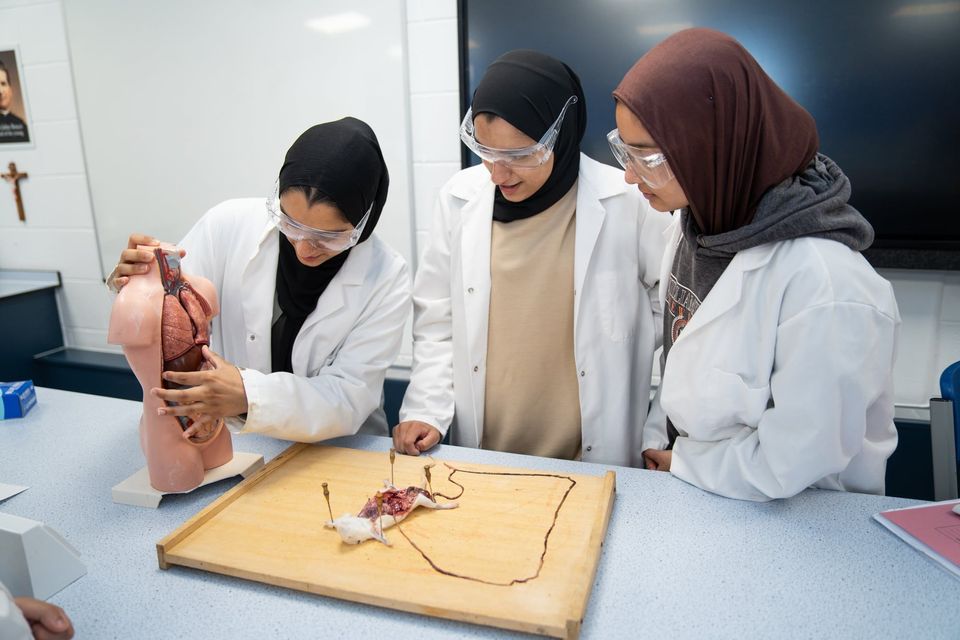
A Level Biology will give students an exciting insight into the contemporary world of biology. This course covers the key concepts of biology and the development of practical skills are integrated
Sport
BTEC
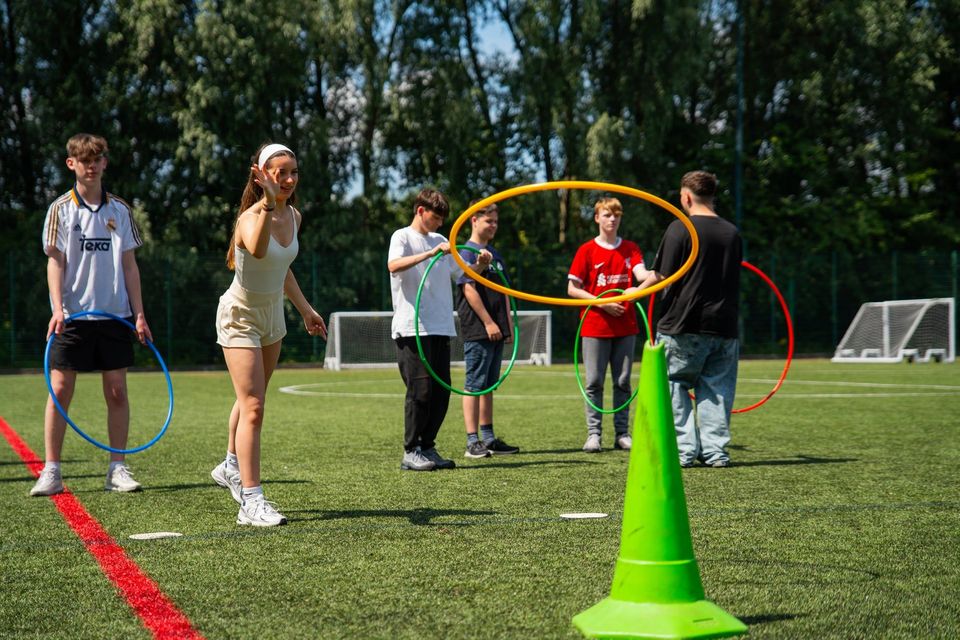
The BTEC National Extended Certificate course in Sport builds upon the ideas that have been learnt and understood at GCSE PE or L2 BTEC Sport. The aim of the course is to generate an interest and

Computer Science
A Level
Students study the design, development and analysis of software and hardware used to solve problems in a variety of business, scientific and social contexts. Computers solve problems to serve people

Graphics
A Level
During the A Level course students will build upon their knowledge, skills and techniques learnt during their GCSE Course. Students will be encouraged to explore a range of different materials,
Health & Social Care (AQQ)
This qualification is part of the Health and Social Care AAQ qualifications offered by OCR. The course aims to give students wanting to enter the health and social care sector a basis of knowledge
Maths
A Level
The A Level course builds upon the ideas that have been learnt and understood at GCSE as well as advancing into the modelling applications of mathematics. A Level Maths aims to develop analytic